Loving Heart Font: A Guide to Warm, Handcrafted Design
In a digital landscape often dominated by sterile sans-serifs and rigid geometric forms, there is a distinct advantage to introducing warmth into your visual communication. Loving Heart is not just another typeface; it is a display font that captures the essence of handcrafted affection. It is simple, fun, and relaxed, making it an ideal choice for projects that require a personal touch without sacrificing readability or aesthetic appeal.
Whether you are a graphic designer crafting a brand identity, a small business owner designing packaging, or a hobbyist creating custom apparel, Loving Heart offers a versatile solution. Its organic curves and gentle strokes evoke a sense of comfort and approachability. This article explores how to leverage this font effectively across various mediums, ensuring your designs resonate with audiences on an emotional level.
Understanding the Appeal of Loving Heart
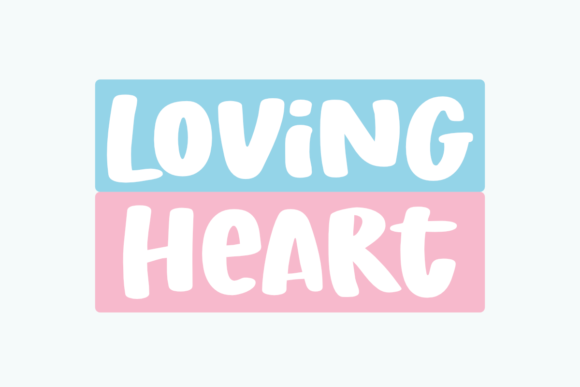
The primary strength of Loving Heart lies in its ability to convey emotion through form. Unlike standard serif or sans-serif fonts, which prioritize neutrality, Loving Heart is expressive. The letters feature slight irregularities and soft edges that mimic the natural flow of handwriting. This characteristic makes it particularly effective for brands and creators who want to appear friendly, authentic, and accessible.
For designers working in the lifestyle, wellness, or artisanal sectors, this font serves as a powerful tool. It bridges the gap between professional polish and homemade charm. When used correctly, it does not look amateurish; rather, it looks intentionally curated. The "relaxed" nature of the typeface suggests ease and confidence, qualities that modern consumers increasingly value in the products and services they choose.
Key Characteristics
- Organic Geometry: The shapes are rounded and fluid, avoiding sharp angles that can feel aggressive or cold.
- High Legibility at Display Sizes: While designed for headlines and large text, the clear structure ensures it remains readable even when scaled down slightly.
- Versatile Tone: It can shift from playful and youthful to elegant and sophisticated depending on spacing, color, and pairing.
Creative Applications Across Industries
The utility of Loving Heart extends far beyond simple greeting cards. Its adaptability allows it to fit seamlessly into diverse creative workflows. Below are specific areas where this font can elevate your projects.
Apparel and Textile Design
One of the most popular uses for Loving Heart is in fashion and textile design. Because the font has a hand-drawn quality, it translates beautifully onto fabric. Whether you are screen printing t-shirts, designing tote bags, or creating embroidery patterns, the font’s smooth lines prevent ink bleed issues common with overly complex scripts.
Consider using Loving Heart for minimalist streetwear. Pairing the font with bold, solid colors creates a striking contrast. For example, a black hoodie with "Loving Heart" in cream white lettering across the chest exudes a casual, cool vibe. Alternatively, on pastel-colored baby clothes, the font enhances the softness of the material, reinforcing the theme of care and tenderness.
Digital Marketing and Social Media
In the fast-paced world of social media, stopping the scroll requires more than just a catchy image; it requires an immediate emotional connection. Loving Heart is excellent for Instagram stories, Pinterest pins, and Facebook post headers. Its relaxed nature invites users to pause and engage.
Marketers can use this font for motivational quotes, behind-the-scenes content, or product announcements that aim to build community. Instead of using a corporate blue and Arial combination, try Loving Heart in earth tones like terracotta, sage green, or mustard yellow. This color palette reinforces the organic feel of the typography, creating a cohesive brand experience.
Event Planning and Stationery
For weddings, birthdays, and corporate retreats, stationery sets the tone before an event even begins. Loving Heart is perfect for invitations, menus, and signage. Its name literally suggests celebration and affection, making it a natural fit for romantic occasions.
However, do not limit it to traditional romance. Use it for modern, non-traditional events. A tech startup’s team-building workshop could use Loving Heart for name tags and activity sheets to foster a sense of belonging and openness. The font helps break down hierarchical barriers, encouraging interaction among attendees.
Practical Tips for Effective Usage
To ensure your designs remain professional and impactful, consider these practical guidelines when incorporating Loving Heart into your workflow.
Pairing with Complementary Fonts
Because Loving Heart is a display font, it works best when paired with a neutral companion. Avoid pairing it with other decorative fonts, as this can create visual clutter. Instead, pair it with clean, simple sans-serifs or classic serifs.
- Modern Sans-Serif: Combine Loving Heart with fonts like Helvetica, Montserrat, or Lato for body text. The contrast between the organic headline and the structured body text creates a balanced hierarchy.
- Classic Serif: For a more editorial look, pair it with Garamond or Baskerville. This combination adds a touch of sophistication, suitable for high-end product packaging or literary blogs.
Spacing and Layout
White space is your friend. Loving Heart has character, but it can become difficult to read if letters are too close together. Increase tracking (letter-spacing) slightly to let the font breathe. This is especially important for long words or phrases. Ample spacing also contributes to the "relaxed" feeling the font aims to convey.
When designing layouts, avoid centering all text. While centering is traditional for invitations, asymmetric layouts can make Loving Heart feel more contemporary and dynamic. Try placing the font along the edge of a poster or overlaying it subtly on a textured background.
Color Psychology
The impact of Loving Heart is heavily influenced by color. To maximize its effectiveness, align your color choices with the message you want to send.
- Warm Tones: Reds, oranges, and pinks amplify feelings of love, energy, and passion.
- Neutral Tones: Beiges, browns, and grounds provide a grounded, sophisticated backdrop that lets the font shape stand out without overwhelming the eye.
- Pastels: Soft blues, lavenders, and mint greens enhance the gentle, calming aspect of the typeface.
Adapting for Different Audiences
Different demographics respond to typography in unique ways. Understanding these nuances will help you tailor your use of Loving Heart.
For Younger Audiences (Gen Z and Millennials): This group values authenticity and nostalgia. Loving Heart taps into the "handmade" trend that is prevalent on platforms like TikTok and Etsy. Use it in digital stickers, meme templates, or casual blog posts to connect with readers who appreciate genuine, unpolished aesthetics.
For Professional Services: Therapists, coaches, and educators can use Loving Heart to soften their brand image. These professions require trust and empathy. Using a harsh, angular font might subconsciously signal rigidity, whereas Loving Heart signals support and understanding. It is appropriate for website headers, brochure titles, and classroom materials.
For Luxury Brands: Contrary to the belief that luxury must be minimalistic, many high-end brands now embrace artisanal elements. Loving Heart can be used sparingly on luxury packaging to highlight special editions or gift notes. In this context, use it in gold foil or embossed textures to add tactile value.
Maintaining Consistency and Originality
As you integrate Loving Heart into your brand assets, consistency is key. Create a style guide that specifies how the font should be used. Define maximum and minimum sizes, acceptable color variations, and rules for pairing. This ensures that whether a customer sees your font on a business card or a billboard, the emotional message remains consistent.
Originality comes from how you manipulate the font. Do not just drop the text onto a plain background. Experiment with effects. Try adding subtle shadows, gradients, or integrating the text into illustrations. For instance, you could have the heart shape in the word "Heart" extend into a line drawing of a flower or a leaf. These small details demonstrate creativity and attention to detail, setting your work apart from generic templates.
Conclusion
Loving Heart is more than a font; it is a design element that brings humanity back into digital and physical spaces. By understanding its characteristics and applying it thoughtfully, you can create designs that are not only visually appealing but also emotionally resonant. Whether you are crafting a personal project or building a commercial brand, Loving Heart offers a reliable way to communicate warmth, simplicity, and joy. Embrace its relaxed nature, pair it wisely, and watch your designs come alive with personality.