Yemeyi: Why This Modern Display Font Deserves a Spot in Your Design Toolkit
When you are staring at a blank canvas—whether it’s a Canva template, an InDesign layout, or a simple Word document—the choice of typography often dictates the entire mood of your project. We have all been there: you pick a font that is safe, legible, and utterly forgettable. Then you see something bold, unexpected, and undeniably striking, and you realize your design needs more than just information; it needs personality.
This is where Yemeyi enters the conversation. Yemeyi is not just another sans-serif typeface meant for body text. It is a modern, daring display font designed to grab attention immediately. If you are a creator, entrepreneur, or marketer looking to elevate your visual communication, understanding how to leverage a font like Yemeyi can be the difference between a project that blends in and one that stands out.
What Exactly Is Yemeyi?
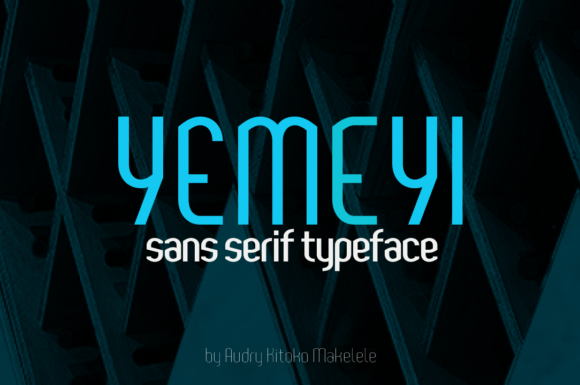
To put it simply, Yemeyi is a display font. In typography terms, "display" means it is intended for large sizes and short bursts of text, such as headlines, posters, logos, and social media graphics. It is not designed to be read paragraph by paragraph on a screen or in a book. Instead, it is built to make a statement.
The character of Yemeyi is defined by its modern aesthetic and daring structure. It likely features clean lines, contemporary proportions, and perhaps some unique stylistic flourishes that give it edge. Unlike traditional serif fonts that convey history and formality, or standard geometric sans-serifs that feel corporate and neutral, Yemeyi feels current and confident. It has the potential to elevate any creation because it brings an immediate sense of style without requiring complex design skills to pair it effectively.
Real-World Scenarios: Where Yemeyi Shines
Knowing what a font is helps, but knowing when to use it is what makes you a better designer. Here are several realistic situations where Yemeyi can solve specific visual problems.
Brand Identity for Modern Businesses
If you are launching a startup, particularly in tech, fashion, lifestyle, or creative services, your logo needs to communicate innovation. A generic font can make a new brand look like an established, possibly outdated corporation. Using Yemeyi for your primary logotype or brand header signals that you are forward-thinking. For example, a boutique coffee roaster might use Yemeyi for their main label to suggest a hip, urban vibe, while pairing it with a softer script for the description to create balance.
Social Media Content That Stops the Scroll
We live in an attention economy. On Instagram, TikTok, or LinkedIn, your content competes with thousands of other posts. When creating quote graphics, promotional banners, or event announcements, readability at small sizes is key, but impact is paramount. Yemeyi’s bold presence ensures that your headline is the first thing a user sees. Imagine a fitness coach posting a motivational quote. A standard Arial or Times New Roman feels passive. Yemeyi adds weight and urgency to the message, making the post feel more professional and intentional.
Event Marketing and Print Materials
Whether you are organizing a workshop, a webinar, or a local community fair, your flyers and digital invitations need to convey energy. Yemeyi works exceptionally well for dates, locations, and main titles. Because it is a display font, it draws the eye instantly. You can use it to highlight the "Why should I attend?" aspect of your event. Pairing it with ample white space allows the font to breathe, making the invitation feel high-end rather than cluttered.
Educational and Presentation Materials
Educators and freelancers who create slide decks know that boring slides lead to disengaged audiences. While you should still prioritize legibility for bullet points, using Yemeyi for section headers or title slides can re-energize a presentation. It breaks the monotony of standard corporate templates. For instance, a blogger teaching a masterclass can use Yemeyi to title each module, giving the course a polished, product-like feel that increases perceived value.
Who Benefits Most from Adding Yemeyi to Their Library?
Different users interact with typography in different ways. Here is how various groups can extract value from this specific asset:
- Freelance Graphic Designers: Having a versatile, high-quality display font like Yemeyi expands your service offerings. You can confidently pitch branding packages that include custom-looking typographic treatments without needing to commission custom lettering.
- Small Business Owners: Many owners try to save money by doing their own marketing. Yemeyi allows non-designers to achieve a "designed" look quickly. When used correctly in tools like Canva or Adobe Express, it elevates DIY materials to a professional standard.
- Content Creators and Bloggers: For those building a personal brand, consistency in visual style is crucial. Incorporating Yemeyi into your thumbnail designs, banner ads, and email newsletters creates a recognizable visual signature.
- Marketers: In A/B testing ad creatives, typography plays a significant role in click-through rates. A daring font like Yemeyi can test well against safer options when the goal is to generate excitement or curiosity.
Practical Considerations Before You Use It
While Yemeyi is a powerful tool, it is not a magic bullet. To get the best results, you need to apply it with intention. Here are a few things to keep in mind before downloading or purchasing the font.
Pairing is Everything
A common mistake is using too many bold, display fonts in one design. Yemeyi is strong; it demands respect. The secret to great design is contrast. If you use Yemeyi for your headline, pair it with a highly readable, neutral sans-serif or a classic serif for your body text. This creates a hierarchy that guides the reader’s eye. For example, use Yemeyi for the big title "Summer Sale," and a simple Helvetica or Roboto for the details like "Up to 50% Off." This combination balances flair with function.
Context Matters
Yemeyi is daring, which means it may not fit every context. If you are designing a legal document, a medical brochure, or a formal academic paper, Yemeyi will likely feel inappropriate and unprofessional. Reserve it for contexts where creativity, energy, or modernity is desired. Understanding the tone of your audience is critical. A luxury jewelry brand might find Yemeyi too aggressive, whereas a streetwear brand would find it perfect.
Licensing and Usage Rights
Before you start slapping Yemeyi on merchandise, websites, or client projects, always check the license. Fonts are intellectual property. Some licenses allow for personal use only, while others require a commercial license for business use. Ensure you understand the scope of your usage—web embedding, print runs, and merchandise sales often have different licensing tiers. Buying the correct license protects you from legal issues and supports the type designer.
Maximizing the Impact of Yemeyi
To truly benefit from Yemeyi, treat it as a strategic asset rather than a decorative afterthought. Start by creating a few mockups. Test it on dark backgrounds for a sleek, modern look, or on textured papers for a tactile feel. Experiment with tracking (letter spacing); sometimes, adding slight space between letters in a display font can enhance its elegance and readability.
Remember, the goal of using Yemeyi is not just to show off the font, but to improve communication. Does the headline pop? Does it match the emotion of the message? If yes, you have successfully used the font to elevate your creation. By integrating Yemeyi into your workflow thoughtfully, you add a layer of sophistication and modernity that resonates with adult audiences who appreciate quality and distinctiveness in their visual experiences.
Ultimately, a font library is only as good as the projects it enables. Yemeyi offers the potential to turn ordinary layouts into compelling visuals. Whether you are crafting a brand identity, a social media campaign, or a personal blog, having this modern, daring font at your disposal gives you the flexibility to take risks and deliver results that capture attention.