Zef Rave Font Evaluation
Selecting the right typeface is a critical decision in visual communication, particularly when the goal is to convey specific energy, genre, or atmosphere. For designers working within the realms of electronic music, cyberpunk aesthetics, or futuristic branding, the typographic choice often serves as the primary indicator of tone. Zef Rave has emerged as a notable option in this niche, described as an energetic display font characterized by a slick sci-fi style. This evaluation explores the characteristics, applications, and practical considerations of using Zef Rave, helping designers determine whether it aligns with their project requirements.
Understanding Zef Rave’s Design Identity
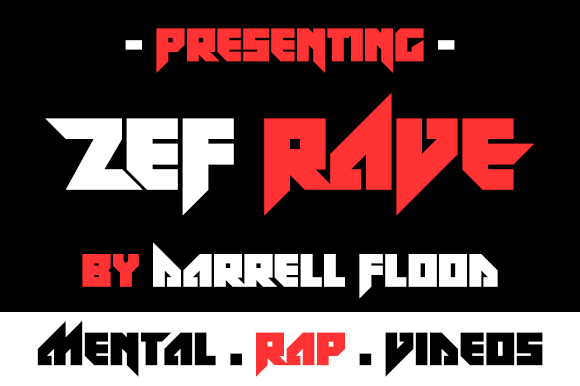
Zef Rave is not designed for body text or long-form reading. Instead, it belongs to the category of display fonts, which are intended for large sizes and short bursts of text such as headlines, logos, posters, and event banners. The font’s defining characteristic is its "slick sci-fi" aesthetic. This implies a design language that likely incorporates geometric precision, sharp angles, and perhaps some stylized distortions reminiscent of digital interfaces or retro-futurism.
The term "energetic" in its description suggests dynamic forms. Unlike static serif fonts that convey tradition and stability, Zef Rave likely utilizes asymmetry, varying stroke weights, or slanted structures to create a sense of movement. This makes it particularly suitable for contexts where visual impact is prioritized over readability. The font aims to capture the essence of high-energy environments, making it a logical candidate for industries that thrive on excitement and modernity.
Primary Use Cases and Applications
Given its stylistic attributes, Zef Rave finds its strongest footing in specific verticals. Understanding these use cases is essential for evaluating its utility.
- Music Event Headlines: Electronic dance music (EDM), techno, and synthwave events often rely on visuals that mirror the intensity of the audio. Zef Rave’s energetic profile makes it ideal for flyers, social media graphics, and stage backdrops where the font needs to compete with vibrant colors and complex imagery.
- Futuristic Branding: Companies operating in technology, gaming, or automotive sectors may use Zef Rave for product names, taglines, or limited-edition packaging. The sci-fi style lends an air of innovation and forward-thinking design.
- Gaming and Entertainment: Video game titles, especially those in the action, sci-fi, or cyberpunk genres, benefit from typography that feels immersive. Zef Rave can serve as a key element in establishing the game’s visual identity.
Benefits of Choosing Zef Rave
When considering Zef Rave, several advantages stand out for the right application. First, its distinctiveness ensures immediate brand recognition. In a crowded market, a unique typeface can differentiate a product or event from competitors who rely on more generic sans-serif options. Second, the font’s inherent energy reduces the need for additional graphic embellishments. A well-chosen headline font can carry the visual weight of a design, allowing other elements to remain minimal and clean.
Additionally, Zef Rave’s sci-fi aesthetic is timeless within its niche. While trends in digital art shift rapidly, the association between sleek, angular typography and futuristic themes remains consistent. This longevity provides value for projects that aim to establish a lasting identity in the tech or entertainment spaces.
Tradeoffs and Limitations
No single font is a universal solution, and Zef Rave comes with significant limitations that designers must acknowledge. The most critical tradeoff is legibility at small sizes. Display fonts like Zef Rave often feature intricate details or extreme contrasts that become muddy or illegible when scaled down. Therefore, it should never be used for navigation menus, paragraphs, or any text requiring extended reading.
Another consideration is audience perception. The bold, aggressive nature of Zef Rave may alienate audiences seeking calm, trustworthiness, or professionalism. For instance, a healthcare provider or a financial institution would likely find the font too informal or jarring. Even within the tech sector, a company aiming for a minimalist, approachable brand voice might find Zef Rave too overwhelming.
Furthermore, overuse of such a distinctive font can lead to visual fatigue. If every headline in a campaign uses Zef Rave, the novelty wears off quickly. Effective design requires balance, often pairing a strong display font with a neutral, highly readable secondary typeface for supporting information.
Comparative Considerations and Alternatives
When evaluating Zef Rave, it is helpful to compare it with alternatives in the same category. Fonts like Orbitron or Rajdhani offer similar sci-fi vibes but may differ in weight and geometric strictness. If a project requires a cleaner, more corporate-tech look, a geometric sans-serif might be more appropriate. Conversely, if the goal is maximum aggression and impact, fonts with more distortion or grunge effects might be preferable.
Designers should also consider the versatility of the font family. Does Zef Rave come in multiple weights? Are there italic variants? A robust family allows for greater hierarchy and flexibility in design layouts. If the offering is limited to a single weight, its utility decreases significantly, restricting its use to very specific, one-off applications.
Practical Decision-Making Insights
To determine if Zef Rave is the right choice, designers should ask a series of practical questions. First, what is the primary message? If the message is about speed, future, or intensity, Zef Rave aligns well. Second, where will the font appear? For large-format print or high-resolution digital screens, its details will shine. For mobile interfaces or small web headers, it may fail to perform.
It is also advisable to test the font against existing brand assets. Does Zef Rave complement the logo and color palette, or does it clash? Visual harmony is crucial. Additionally, consider the technical aspects of implementation. Ensure that the font licensing covers all intended uses, including commercial projects and digital distribution. Some display fonts have restrictive licenses that limit usage to personal projects only.
Conclusion
Zef Rave is a specialized tool in the designer’s arsenal, excelling in contexts that demand high energy and a futuristic aesthetic. Its strength lies in its ability to command attention in headlines and display settings. However, its limitations in readability and tonal flexibility require careful handling. By understanding its strengths and weaknesses, and by comparing it against alternative options, designers can make informed decisions that enhance their projects. When used judiciously, Zef Rave can effectively communicate the vibe of modern, dynamic, and forward-looking brands.